Product Discovery
Define the users, problem, and essential features for the first release.
Build a mobile app around a task people need to repeat. Define the users, supporting systems and release requirements before development.
An app should give its users a reason to return after installation. A booking tool may simplify repeated appointments for returning customers. A field app may help staff record work away from desks. Grow provides app development in Abu Dhabi around a defined mobile task. We'll establish who uses the product and what they need to complete. A responsive website may already meet some requirements. The brief should explain what a dedicated mobile experience adds. That benefit needs to justify the proposed development and ongoing upkeep.
Your mobile screens depend on the systems supplying accounts, availability and other business data. We'll review those connections before promising features or a release date. Notifications, offline behaviour and device permissions each need a clear purpose. The first version should contain a manageable set of user journeys with testable outcomes. You'll review prototypes before full implementation where that helps resolve uncertainty. App store preparation and ongoing maintenance also enter the scope early. Both require decisions and assigned responsibilities before the product is built and released.
Further reading: Abu Dhabi on Wikipedia, Mobile App Development on Wikipedia.
Include your website, the service you need and the main problem you want to solve.
Plan the mobile journey, supporting data and release responsibilities together before committing to the first version.
Define the users, problem, and essential features for the first release.
Test the main journeys before committing to full development.
A consistent interface designed for comfortable use on a phone.
Choose native or cross-platform development to fit the product and audience.
Build the data and service connections the application needs.
Connect authentication, payments, or existing systems where required.
Check key journeys, responsiveness, and stability across target devices.
Prepare release assets and support the app store submission process.
Understand usage and plan updates around what users actually need.
A booking app is only useful when its available times agree with the business's actual schedule. A field reporting app needs a sensible response when a connection drops. We identify those operational conditions while defining the user journey. Screen design should explain progress, validation errors and what happens after an action is submitted. The goal is to help the intended user finish a specific task. Adding more screens does not compensate for an unreliable connection to the systems behind that task.
Acceptance testing should reflect realistic mobile use rather than a demonstration on one development device. Account access, interrupted connections and supported screen sizes need review within the agreed scope. Staff or customer representatives should check the tasks they will actually perform. We'll document known limitations instead of leaving them to discovery after release. Store review decisions remain with the distribution platform. Your launch plan should assign business responsibilities for account ownership, support and updates. Those duties continue once people begin using the application regularly.
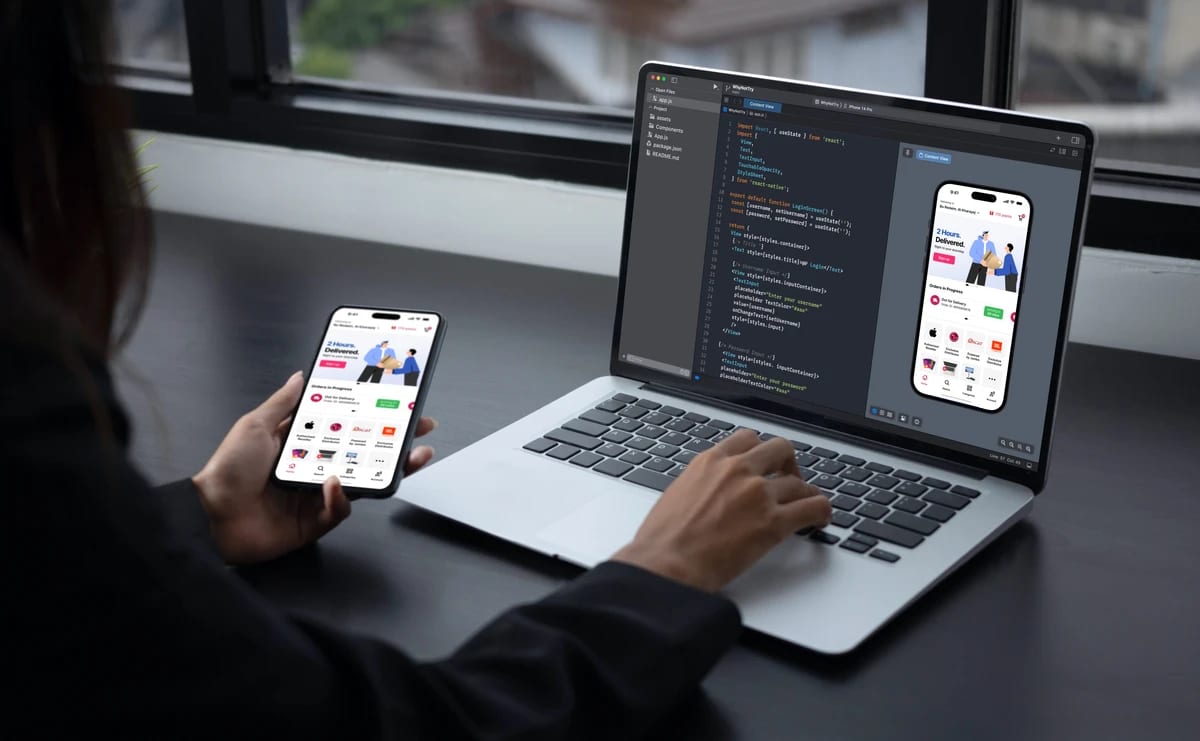
The brief explains why users need an app rather than another website page.
Required data and account systems are assessed before feature commitments.
Interrupted connections and invalid inputs need understandable user responses.
Acceptance includes the people expected to use the mobile product.
Store accounts and submission responsibilities are agreed before launch.
Updates and support are distinguished from the initial development deliverables.
Every industry works differently. Explore app development shaped around the Abu Dhabi sectors we serve.
Identify the users and the repeat action the app should improve.
Review the data and services required for that action.
Separate essential journeys from later feature ideas.
Resolve navigation and interaction questions before full implementation.
Implement mobile behaviour and supported integrations.
Check account access, validation and agreed device scenarios.
Complete release materials and the agreed store submission process.
Document issue handling, maintenance and future release responsibilities.
A mobile product continues to need attention after its first release. Operating-system changes and third-party service updates can affect features that previously worked. We'll define the agreed support responsibilities and the process for reporting faults. Product analytics should focus on useful tasks where measurement is appropriate and configured. Your team can then distinguish a navigation problem from a missing feature request. Future development becomes easier to prioritise with evidence from actual use. Observe how users complete the core journey and where they encounter difficulties requiring attention.
The first app version should leave room for learning without assuming every idea must be built immediately. A working appointment journey may deserve testing before loyalty features are introduced. Internal users may need clearer submission feedback before another dashboard is added. We use the agreed product purpose to evaluate those requests. Documentation and a maintained codebase help future changes remain understandable. The app can then grow around observed user needs and documented support requests. Essential reliability work should remain distinguishable from optional additions to the overall experience.
From the Corniche to Al Ain, we work with businesses across the emirate. Explore the map and pick your area.
Selected area
The commercial and government core of the city.
Hover a pin on the map to see details, or pick an area below.
App Development pricing depends on your goals and the work involved. Here is how a scope can be shaped. Get a quote tailored to your business.
A mobile idea needing a practical scope
Custom Quote
A defined task ready for implementation
Custom Quote
Several user roles or operational systems
Custom Quote
Describe the users, repeated task and business systems the app would need to connect with.
Here are the questions businesses across Abu Dhabi ask us before getting started with app development. Still unsure? Get in touch.
We'll compare the user task and repeat-use needs. A responsive website may be sufficient when dedicated mobile features add little value.
We must review the system's supported interfaces and access. The integration scope should define what data can be read or changed.
Offline behaviour needs explicit design and testing. Some tasks may depend on current server data and cannot be completed safely offline.
No. Distribution platforms control their review decisions. We can prepare the agreed submission and address issues within the project scope.
Account ownership and access should be agreed with your business before release. Any platform charges remain visible.
Only the agreed release scope is included. Later ideas should be evaluated against actual user needs and maintenance implications.
We define supported devices and user scenarios in the acceptance plan. Testing covers critical journeys and relevant error conditions.
User roles, integrations and platform requirements affect effort. Offline features and complex permissions can add significant scope.
Describe the users, repeated task and business systems the app would need to connect with.
Call us
+971 2 555 0100Email us
hello@growforabudhabi.comWhere we work
Across Abu Dhabi and its communities
Include your website, the service you need and the main problem you want to solve.