An ERP configured around how your business actually operates
Applied through finance workflows, inventory modules, approvals, and reporting views for the way logistics & trading customers decide.
Profitability per consignment, per lane and per customer instead of one monthly total.
A freight forwarder in Abu Dhabi knows its monthly revenue and its monthly costs but not which lanes, customers or cargo types actually make money. Grow implements ERP systems for logistics and trading businesses that connect shipment costing, customer invoicing, supplier costs, inventory and finance into one structure. Your commercial director sees profitability per consignment, per lane and per customer, which is what turns a pricing decision into a commercial one rather than a defensive one.
Only the modules your business operates are configured. A freight forwarder does not need a manufacturing module, and a trading company without warehousing does not need a full WMS. The scope is agreed with your finance director and your operations director before licensing. Your existing transport or warehouse management system is integrated rather than replaced, because operational continuity matters more during an implementation than system consolidation does.
Further reading: Abu Dhabi on Wikipedia, ERP on Wikipedia, Logistics on Wikipedia.
Include your website, the service you need and the main problem you want to solve.
A ERP Implementation scope shaped for logistics & trading, with examples like category pages, route content, procurement proof, and enquiry tracking instead of a recycled service package.
Applied through finance workflows, inventory modules, approvals, and reporting views for the way logistics & trading customers decide.
Applied through finance workflows, inventory modules, approvals, and reporting views for the way logistics & trading customers decide.
Applied through finance workflows, inventory modules, approvals, and reporting views for the way logistics & trading customers decide.
Applied through finance workflows, inventory modules, approvals, and reporting views for the way logistics & trading customers decide.
Applied through finance workflows, inventory modules, approvals, and reporting views for the way logistics & trading customers decide.
ERP Implementation is planned around this Logistics & Trading problem, with category pages, route content, procurement proof, and enquiry tracking in mind.
ERP Implementation is planned around this Logistics & Trading problem, with category pages, route content, procurement proof, and enquiry tracking in mind.
ERP Implementation is planned around this Logistics & Trading problem, with category pages, route content, procurement proof, and enquiry tracking in mind.
Tracked clearly so progress is visible beyond surface-level activity.
The job costing backbone connects the shipment to the ledger. Every cost element on a consignment — freight, customs, handling, storage, transport — attaches to the job as it is incurred or accrued. Customer invoices generate from the agreed rate card rather than a manual calculation. Your operations team sees the estimated versus actual cost on an open job, and your commercial team sees realised margin per consignment at closure. Accruals for supplier invoices not yet received keep the monthly result honest rather than optimistic.
Data migration is reconciled before go-live with your finance director's sign-off. Your chart of accounts, customer and supplier balances, open jobs with their accrued costs, inventory valuations and rate card data are extracted, cleaned and loaded against the existing trial balance. Open jobs carrying partial costs are the difficult element — each is reconciled with the responsible operator before loading so the first close does not inherit an unexplained variance.
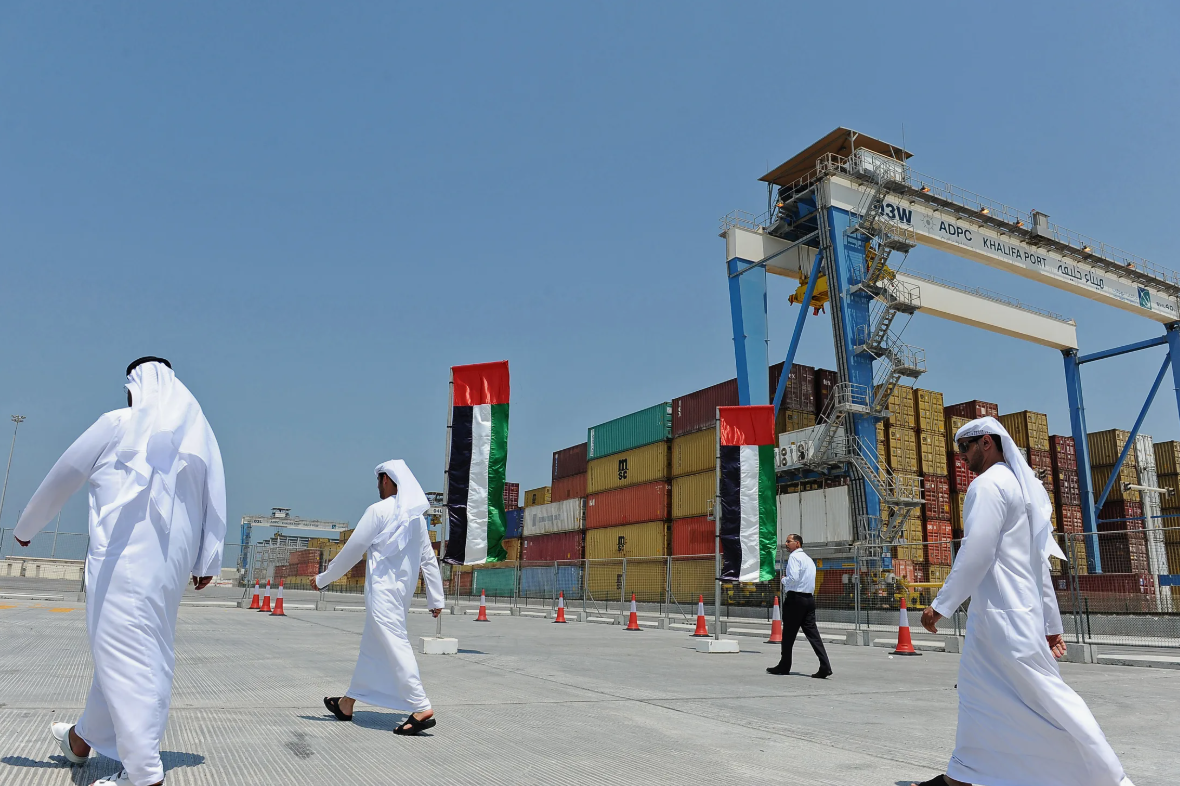
We document how each department currently operates before opening the ERP, so configuration reflects reality rather than a generic best practice.
Each module goes live when the team using it is ready, rather than when a project deadline arrives and the whole organisation switches together.
Historical data is validated for accuracy in the test environment before the live switch so opening balances are correct from day one.
Access levels are designed from your job descriptions and approval structures, not from the ERP vendor's default role names.
Finance staff learn what finance staff need. Operations staff learn what their workflow requires. Nobody sits through training that doesn't apply to them.
Issues raised in the first two weeks receive priority attention, not a standard support queue response that assumes everything is working.
We document how finance, inventory, and operations actually run today before configuring anything.
Review how logistics & trading customers compare options and what they need before they enquire.
Check search intent, competitors, content gaps, and the channels worth testing.
The system is built around that reality, with data migrated and cleaned in the process.
Finance, inventory, and operations are connected so everyone works from the same numbers.
Measure Time to close the books each month, before and after and Inventory accuracy with enough clarity to act.
Adjust content, pages, offers, and follow-up where the data shows friction.
Rollout includes training across departments and support as things evolve.
Training is delivered by function. Your operations team learns job creation, cost entry and accrual management. Your billing team learns invoice generation and the rate card structure. Your finance team learns the close, the accrual review and the reporting suite. Your commercial director learns to read the lane and customer profitability reports. A second session at the first month-end covers the accrual and cut-off questions that only appear during a live close.
The configuration, the rate card structure and all financial data belong to your firm. Your finance director can add a cost category, adjust a rate card or build a lane profitability report without a consultant. A logistics firm that prices from actual per-lane profitability rather than from an assumed margin wins the business worth winning and declines the volume that consumes capacity without contributing to the result.
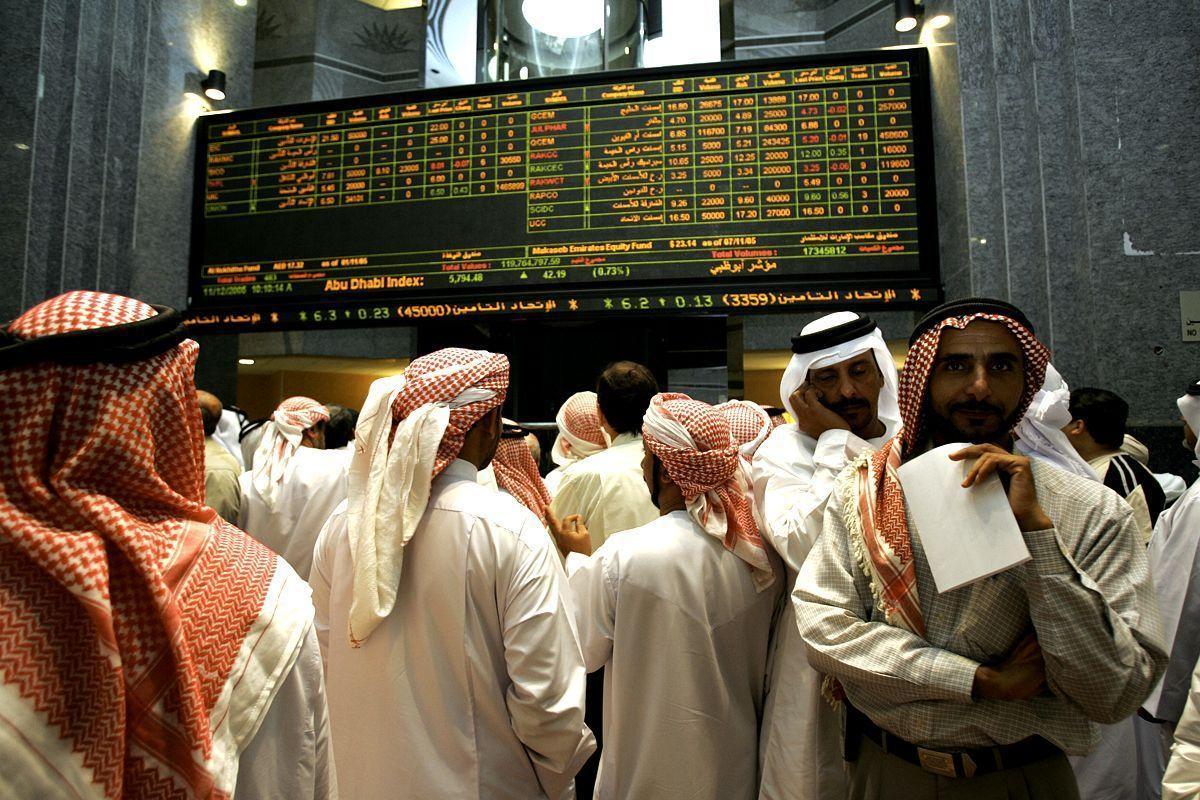
From the Corniche to Al Ain, we work with businesses across the emirate. Explore the map and pick your area.
Selected area
The commercial and government core of the city.
Hover a pin on the map to see details, or pick an area below.
Pricing depends on your goals, competition, content, integrations, and the work needed before growth can compound.
For one clear industry priority
Custom Quote
For a broader connected programme
Custom Quote
For complex teams or multiple locations
Custom Quote
Tell us what ERP Implementation needs to improve for your Logistics & Trading business. We will shape a practical plan around your offer and capacity.
Common questions before starting ERP Implementation for logistics & trading in Abu Dhabi.
We price after reviewing what you have and what needs fixing first. The main cost drivers are scope, competition, content, integrations, and how much genuine coverage your goals require.
Website and tracking fixes can show early movement. Paid campaigns can bring enquiries within weeks. SEO, content, and local visibility usually take three to six months to compound.
Abu Dhabi is our focus. We work across the emirate, including Abu Dhabi City, the islands, Al Ain, Mussafah, and Al Dhafra. We take select UAE work when the fit is right.
Yes. Your accounts, content, code, data, and agreed deliverables stay in your name. Any third-party costs are explained before approval.
Not every business should buy more marketing right away. If your team cannot answer new enquiries, more leads will expose that gap. If your website cannot explain the offer, ads will only send more people to a weak page. We will say that early and point you at the better first fix.
No serious agency can guarantee rankings or leads it does not fully control. We can set a clear scope, report honestly, and change course when the evidence says we should.
We need one clear approver, access to your website and marketing accounts, a short conversation about margins, and an honest view of your capacity. More enquiries only help when your team can answer and serve them well.
Yes. A focused first phase is often the smartest start. It proves the channel, cleans the data, and shows what should come next.
Share what you want ERP Implementation to achieve for your logistics & trading business. We will help shape the next step with real examples and priorities.
Call us
+971 2 555 0100Email us
hello@growforabudhabi.comWhere we work
Across Abu Dhabi and its communities
Include your website, the service you need and the main problem you want to solve.